Make Your 121 Meetings More Human
How to run a more meaningful 121 meeting. Free 121 template for download, and expert advice from Lucy Harvey, COO of Stribe.
Read MoreGreat managers are worth their weight in gold.
You might think that’s an obvious thing to say – but when it comes to how much influence and impact managers have in the workplace, it can be quite mind-blowing.
For instance, did you know for most people a manager has more impact on their mental health than their doctor does?
Hard to believe, isn’t it?
Imagine what that does to a team if a manager is stressed, unengaged, burnt out – or worse, has toxic characteristics.
That is exactly why you can’t afford to overlook the needs of your managers and why they need your unending support from day one.
The single biggest decision you make in your job - bigger than all the rest - is who you name manager. When you name the wrong person manager, nothing fixes that bad decision. Not compensation, not benefits - nothing.
At Stribe we believe there’s one characteristic that trumps all the rest when it comes to being a great leader – and that’s being a good listener.
If you’re a good listener, you become someone who understands, and people who understand can take action. It is these simple things that create a recipe for implementing positive change in workforces.
Of course, there are plenty of other qualities and characteristics that are essential to being a good leader. The Centre for Creative Leadership outlines their top twelve:
Managers are the lifeblood of your workplace – they shape culture, juggle critical responsibilities, and directly influence the success of your business with every decision they make.
Whether you like it or not, managers set the tone for the workplace – if they’re positive and engaged, their teams tend to follow suit. They shape everything from communication style to team morale, making them the heartbeat of your company culture. In case you missed the statistic earlier – Gallup research shows that managers account for up to 70% of the variance in team engagement!
From leading team projects, to resolving conflicts and setting benchmarks with senior leaders, managers have a lot on their plates.
But that also means their influence extends to multiple areas of the business, making them super important when it comes to buy-in, decision-making, and ensuring everything runs smoothly day-to-day.
When managers are empowered to lead well, their teams are happier – and this drives business results.
Effective managers bring out the best in their teams by creating clear goals, offering support, and addressing challenges head-on. This translates into increased productivity, innovation, and efficiency.
People leave managers, not companies.
Managers often face a tough balancing act as they juggle multiple roles, handle emotional strain, and often lack the support or training needed to succeed in their demanding positions.
Managers wear a lot of hats—they’re expected to lead, mentor, hit team targets, and still deal with daily admin tasks. It’s a constant juggling act, and when expectations aren’t managed, it can lead to burnout.
Managers often take on the emotional burden of their team’s challenges, from handling conflicts to supporting personal struggles – as well as dealing with their own challenges. Over time, this emotional labour can weigh heavily on their mental health.
Supporting manager development should be a priority, not an afterthought.
But unfortunately, despite the pressure they face, many managers are thrown into the role without enough training or support. In too many workplaces, they’re simply expected to figure things out as they go and this isn’t good for anyone.

Employee surveys give managers direct insight into what their teams are really thinking and feeling – especially the things that might not come up in everyday conversations.
Survey data gives managers a guide to improving team engagement and wellbeing, and because they usually hold an element of authority in the workplace, they can act and make change quickly!
To truly help managers, surveys need to ask the right questions.
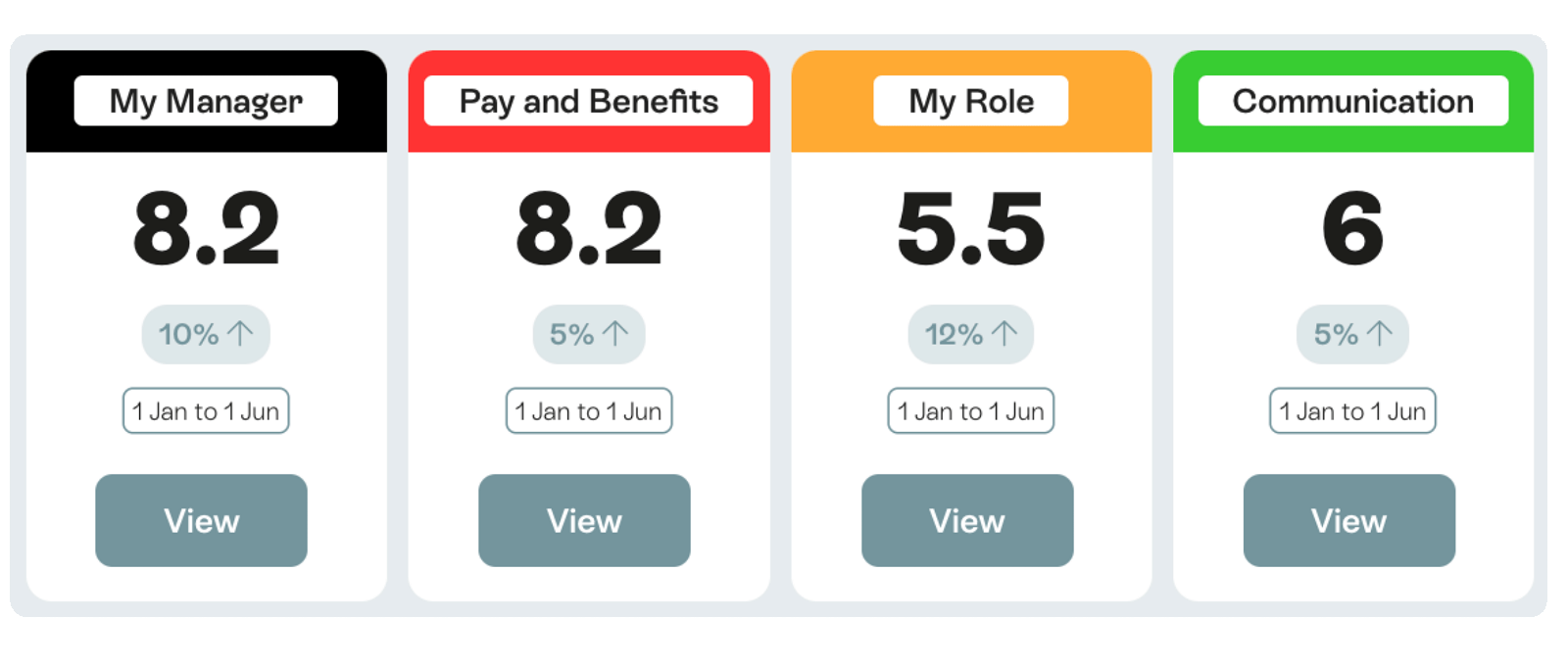
Focus on areas like communication, workload, and leadership effectiveness to pinpoint what managers need to improve or where they’re excelling. Keep it simple and relevant, so responses are useful and actionable.
The real value of surveys comes from turning the data into action.
Once managers see the feedback, they can use it to make informed changes, whether that’s addressing team concerns or reinforcing what’s working.
On a final note, don’t forget to ask your managers what they need!
Simply reaching out asking is such an underrated way of helping the people in your organisation – and you’ll be surprised by how much they appreciate it!
Managers know best what is best for their team, what resources they need, what’s working and what isn’t. So give them the opportunity to give feedback and everyone will benefit.
Regular check-ins, or anonymous surveys can help identify their specific needs.
Employee surveys directly enhance listening skills by providing a structured platform for gathering and analysing team feedback. Surveys help managers to consider diverse viewpoints, and encourages them to listen, consider and respond effectively to their team’s needs in real-time.
Surveys help managers pinpoint specific areas within your organisation that require attention or improvement. This enables managers and leaders to identify and address issues in a timely manner, preventing any further escalation.
By encouraging ongoing open feedback, managers will keep a firm pulse on their teams’ feeling and thoughts. This leads to better understanding of team needs, and what actions need to be taken to improve employee experience.
Surveys create space for safe and constructive communication between managers and employees. This open dialogue helps managers become stronger communicators by ensuring that they’re listening to all voices within their teams.
Surveys often unveil team insights and contributions that may otherwise go unnoticed – this allows managers to acknowledge and appreciate the efforts of their team members, which goes a long way in reinforcing positive work culture.
Surveys provide valuable insights into employee perspectives and preferences, empowering managers to make data-driven decisions that resonate with their workforce. By looking into the nitty gritty of survey data, managers can identify trends, anticipate challenges, and implement strategic changes to help their teams.
Surveys instil a culture where feedback is not just welcomed but actively encouraged. By embracing employee voice and input, managers become catalysts for positive change, driving innovation, collaboration, and progress within their teams.
About the author

Starting out her early career as a journalist, Jade Madeley is an accomplished content writer with 8+ years’ experience across business, personal finance, SaaS, human resources and employee engagement. Working with Stribe, she crafts insightful content that brings complex HR topics to life and drives meaningful action.
How to run a more meaningful 121 meeting. Free 121 template for download, and expert advice from Lucy Harvey, COO of Stribe.
Read MoreThe STAR Framework. Many managers struggle with difficult conversations because they don’t know how to structure them.

Read MoreHow to present a strong business case that speaks your leaders’ language to get buy-in for HR software for employee engagement surveys.
Read More